Pressure Is Not Your Camera's Only Enemy: The Real Factors Behind Housing Failures at Depth
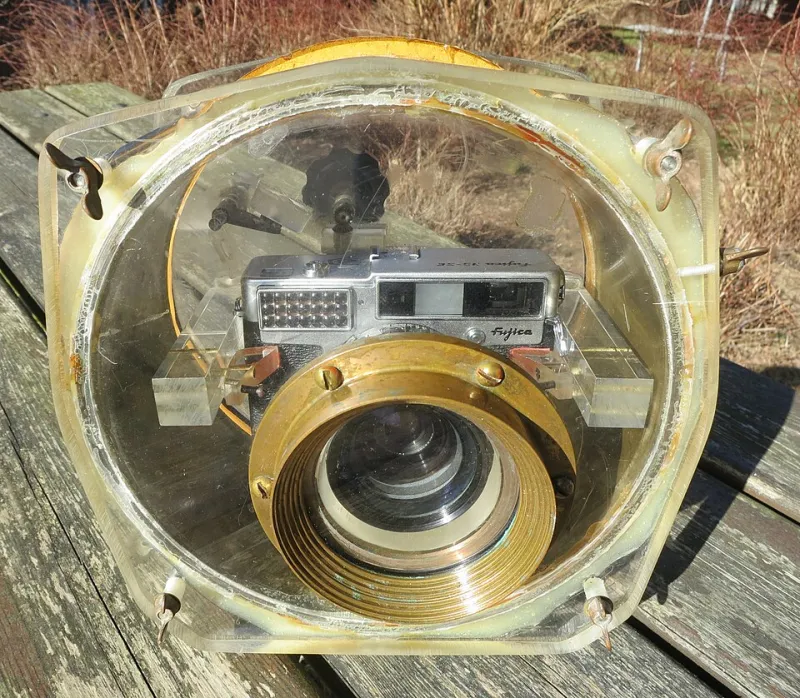
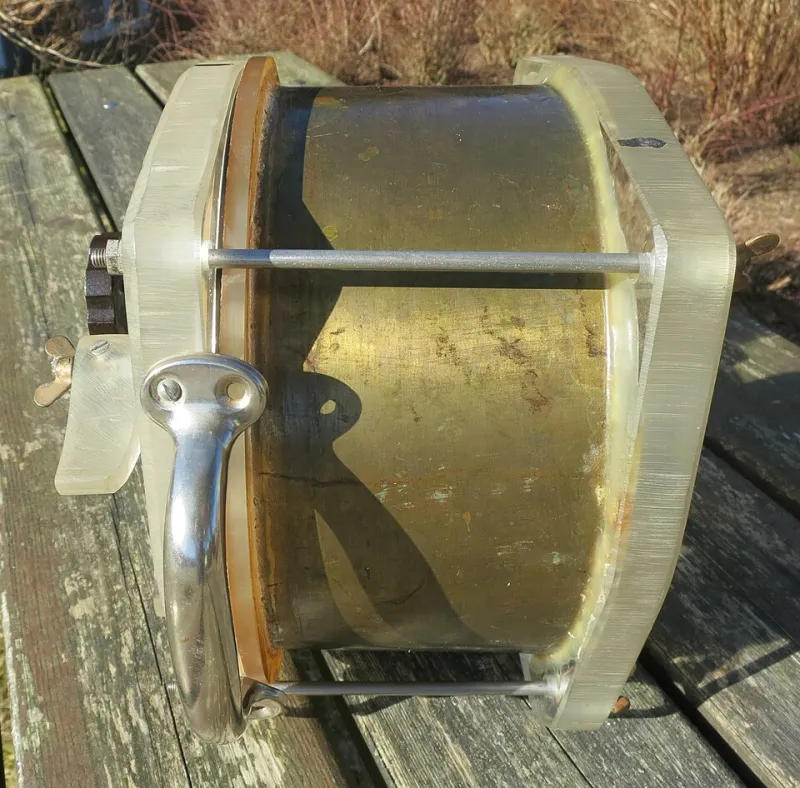
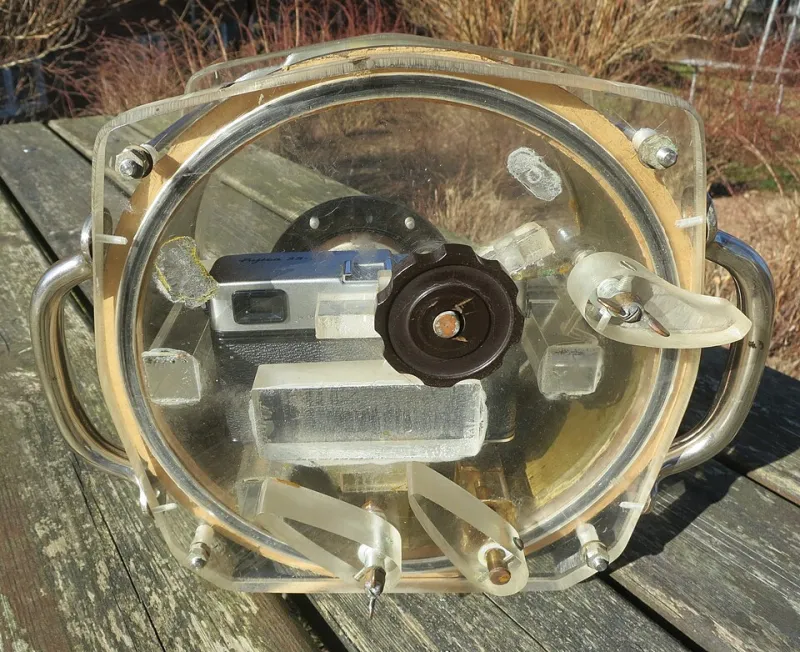
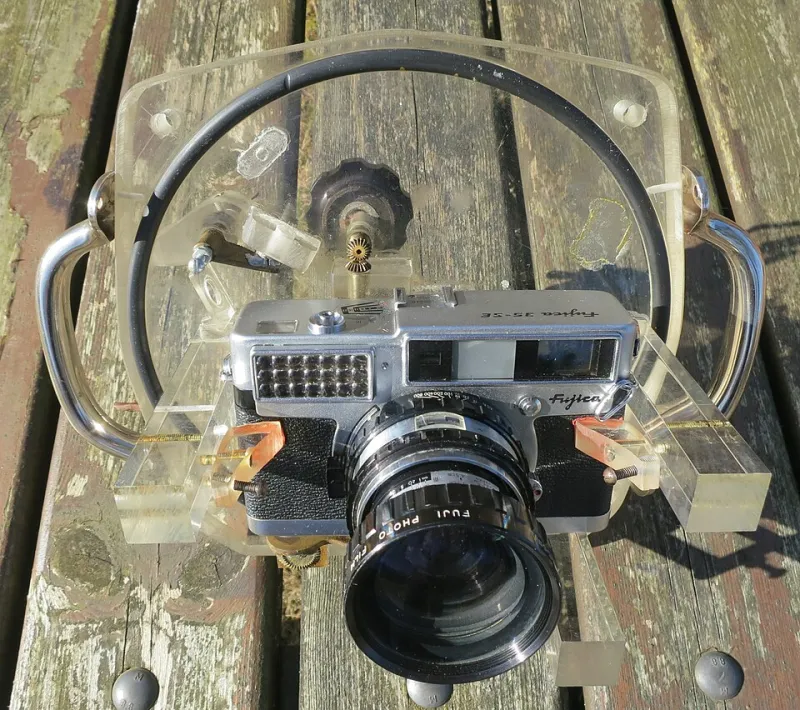
Photo: R. Henrik Nilsson, CC BY 4.0, via Wikimedia Commons
There's a certain comfort in numbers. A housing rated to 200 feet feels like a promise — like a contract between you and the manufacturer that says, go here, and you'll be fine. But talk to any experienced underwater photographer who's dealt with a flooded housing, and you'll hear a remarkably consistent story: the depth rating wasn't the problem.
The problem was a hair on an O-ring. A latch that wasn't fully seated. A rushed entry off a rocking boat. A housing that hadn't been properly serviced since the Clinton administration.
Depth ratings are a starting point, not a safety guarantee. Understanding what actually keeps your camera alive at depth — and what quietly puts it at risk — is one of the most valuable things you can do as an underwater photographer.
What a Depth Rating Actually Means
When a manufacturer lists a depth rating, they're describing the pressure threshold at which the housing should maintain a watertight seal under controlled laboratory conditions. That's a meaningful data point. But "controlled laboratory conditions" is doing a lot of heavy lifting in that sentence.
Lab testing typically involves a clean, properly assembled housing with new seals, subjected to static pressure at the rated depth. It doesn't account for a housing that's been assembled in a bouncing dive boat, or one whose O-ring groove has accumulated fine sand particles from a week of beach diving in the Gulf.
In practice, the difference between a housing's rated depth and its safe operating depth in real-world conditions can be significant. Many experienced shooters treat the manufacturer's rating as a ceiling they'd prefer not to approach — not a target to chase.
Real-World Failure Scenarios
Flooded housings follow patterns. Here are a few failure modes that show up repeatedly in dive photography communities:
The contaminated O-ring. Even a single grain of sand or a small fiber from a cleaning cloth can create a microscopic gap in your O-ring seal. At shallow depths, water pressure may not be enough to exploit that gap. Push deeper, and the increased pressure finds every imperfection. This is why thorough O-ring inspection before every single dive isn't optional — it's the job.
The partially latched port. Wide-angle dome ports and macro ports are big, and their latching mechanisms require deliberate, complete engagement. It's easy to think a port is secured when it's actually one click short. At depth, that's enough. Several well-documented flooded housings in photography forums trace back directly to a port that felt closed but wasn't.
The impact entry. Giant stride entries from a boat, backrolls in choppy conditions, or a stumble on a rocky shore can subject your housing to sudden shock loads that have nothing to do with water pressure. A latch weakened by impact stress, or an O-ring that shifts slightly from the jolt, can fail later in the dive when you're well below the surface.
The neglected service interval. O-rings degrade. Lubricants dry out. Latch mechanisms develop play. Most manufacturers recommend annual servicing for housings used regularly — and many divers stretch that to "whenever something looks wrong," which is not the same thing.
The Pressure Dynamics Nobody Talks About
Here's something worth understanding beyond basic depth charts: pressure doesn't just increase as you descend — it also changes rate depending on how fast you go down. A rapid descent spikes the differential pressure across your housing seal faster than a slow, controlled one. That matters.
Similarly, equalizing your ears and your housing are different problems. Your housing doesn't equalize. Every foot of depth you add increases the compressive force on every seal, every latch, every port connection. The housing is fighting that force every moment of the dive. Starting that fight with anything less than a perfect seal is a gamble.
Water temperature is another underappreciated variable. Cold water causes O-ring materials to stiffen and contract slightly — which can affect their sealing performance compared to the warm-water conditions in which many housings are tested. If you're diving cold Pacific water off the California coast or ice-cold freshwater in the Great Lakes, your seals are behaving differently than they do in the Caribbean.
Your Pre-Deep Dive Checklist
Before you take your housing below 100 feet, run through this sequence. Every time. No exceptions.
O-ring inspection and lubrication:
- Remove the main O-ring and inspect it under good light
- Look for nicks, flat spots, cracks, or any debris
- Clean the O-ring groove with a lint-free cloth
- Apply a thin, even coat of manufacturer-recommended grease (not petroleum-based products)
- Reseat the O-ring carefully, confirming it lies flat in the groove with no twists
Port and latch verification:
- Attach your port and run through every latch point deliberately — feel for the positive click or engagement
- Tug on the port gently to confirm it's fully seated
- Check all control buttons and dials for smooth operation (a sticky button can indicate water intrusion has already begun)
Pressure check:
- If your housing has a vacuum pump system, use it. A vacuum check before the dive is the closest thing to a pre-dive flood test you can perform in the field
- If you don't have a vacuum system, do a dedicated shallow test dive to 10–15 feet before committing to depth — check for any moisture or fogging inside the housing before going deeper
Entry technique:
- Protect your housing during entry. Hold it above water during a giant stride, or hand it to a divemaster before you enter
- Avoid entries that subject the housing to hard impact
- Descend slowly and deliberately, especially for the first 30 feet
Thermal awareness:
- If you're moving from warm air to cold water (common on early-morning Pacific dives), give your housing a moment to equalize temperature before submerging
- Condensation inside a housing can indicate a temperature differential that could affect seal performance
The Mindset Shift That Protects Your Gear
The photographers who rarely flood housings aren't the ones with the most expensive gear — they're the ones who treat preparation as non-negotiable. The depth rating on your housing is a useful engineering specification. But it assumes you've done your part.
Think of it this way: a tire rated for 100,000 miles doesn't mean much if you never check the pressure. Your housing is the same. The number on the spec sheet only holds up when the gear behind it is maintained, assembled correctly, and handled with care.
Go deep. Shoot confidently. Just make sure you've earned that confidence before you clip in your camera and drop below the thermocline.